Tips for Renting your Summer Home

Tips for Renting your Summer Home


By Jerry Brown
2/25/2016

So you have finally achieved your childhood dream of owning a beach house – congratulations! Now comes the realization that you and your family cannot spend the whole year, or even every weekend at the beach, given your family’s various social and sporting obligations. If you own a second home, it may be time to consider renting the space for profit. You could make some extra money when you are not using the property for your own purposes. According to Kiplinger, many owners of second houses rent the space to alleviate some of the pressure of a second mortgage. Here are some tips for renting your vacation house.
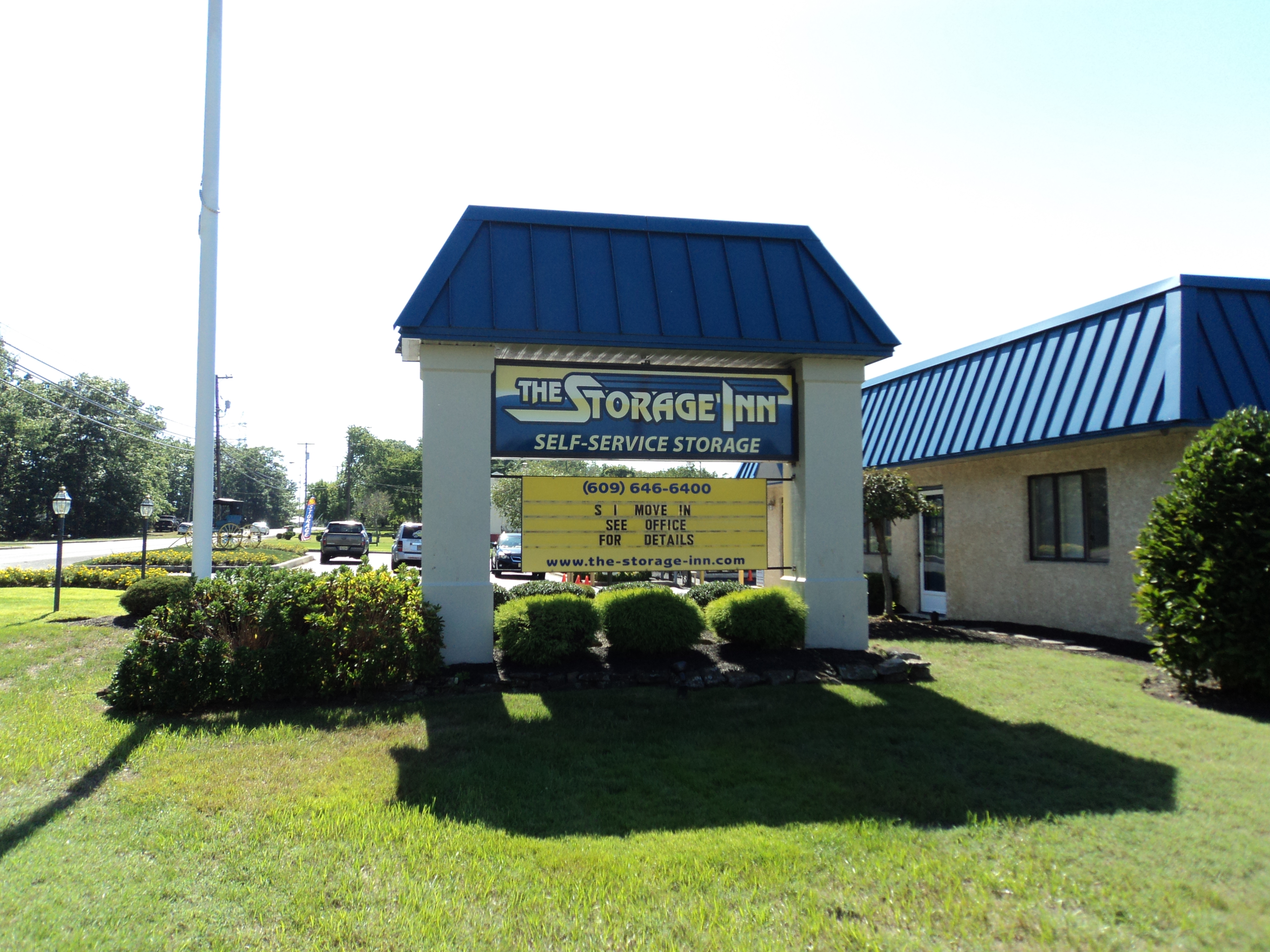
Egg Harbor Township Storage Sapce Rental

The Price is Right

Price appropriately for the time of year. If you have a home where the peak tourist season is during the summer, that’s when you can charge the most money. Check out the local market to get a feel for current rental fees. Lower your price in the off season. If the object is to generate income, a rental at a lower rate is better than no rental at all.

Go Local

Give your renters the “local experience”. Call your local restaurants, marinas, water parks, amusement parks, movie theaters and arcades for discount or free coupons to add to your vacation package.  They will welcome the business and be excited to throw in freebies – anything to get more sales.

Investigate

Find out about your guests background and interests prior to their stay. You can customize your home to fit their needs. If you are renting to a family with a baby, you may want to provide a crib. Beach towels, suntan lotion and sunburn ointment is a nice touch for a beach house.

Keep it Clean

Research shows that renters, who have a good experience, will return to the same property multiple times. After each rental, you will want to ensure the house is in tip-top condition for either you or the next paying tenants. Ask for recommendations for good cleaning services from your realtor and local acquaintances.

Store your Stuff

When renters pay good money for a place to spend their vacation, they want to feel a sense of (temporary) ownership. Don’t let your personal items get in the way. Rent a storage unit from a local storage facility, and keep your items out of the way while tenants are living in the space. Check with the locals, or other seasonal resident for self-storage suggestions. A good manager will be happy to help you find a unit to fit your needs. Head to the nearest storage space rental location today – Happy Renting!

Storage Space Rental Home

Green Self-Storage

Green Self-Storage

By Jerry Brown
2/22/2016

The visual Image generated by the thought of self-storage is usually that of identical buildings, with row upon row of identical garage doors. Pretty boring, right? But beneath that none-too-exciting exterior, storage facilities are the perfect testing grounds for new “green self-storage technologies”.

Egg Harbor Township self-storage rental

Green self-storage

Green, eco-friendly buildings can use one-third less energy than standard buildings, and self storage facilities are the perfect testing grounds for energy conservation. The typical self-storage configuration of flat roofed buildings makes the installation of solar panels a no brainer for the owner considering going green. Solar energy not only replaces the use of energy created by fossil fuels, but can also reduce energy costs to the facility, which could then be passed on to the consumer. A win/win for everyone involved!

Beyond green energy, storage facility owners are increasingly considering the wider environmental impacts of their businesses. Most have rules against storing any substance that, if allowed to spill or leak into storm drains, could pose a hazard to the environment. Many require tenants to use specified recycle areas for disposal of certain types of items or materials. Simple changes like the movement toward energy efficient lighting triggered by motion detectors can be a great, yet sometimes overlooked, energy saver. Greg Meckel, owner of The Storage Inn located in Egg Harbor Township, NJ, spoke about green self-storage. “As a company, we strive to be more environmentally friendly everyday from our use of solar panels, to upgraded LED lighting and the use of organic cleaners.”

As many businesses continue to move toward more green practices and consumers show preference for more and more green products, storage facilities will undoubtedly continue to follow suit.

In addition to Egg Harbor Township The Storage Inn serves towns in the area such as Ocean City, Absecon, Atlantic City, Galloway, Pleasantville, Ventnor,Mays Landing, Somers Point and others.

Self-Storage Rental Home


Choosing Safe Self-Storage

By Jerry Brown
2/16/16

 So you are running out of space for your extra tools, and the wife would really love it if you got your motorcycle out of her gardening shed. You need a self-storage unit!  So just go find the cheapest facility, throw a lock on it and be done, right?  Not exactly – your tools and bike are worth more than a few bucks, and you wouldn’t want them in a facility that looks inviting to would be criminals, would you? You need to think like a crook, and choose the place that your criminal alter ego would take one look at, and decide to pass by because it is just too risky.  So what do you look for?  Here are some tips designed to help you find safe self-storage.

Finding Safe Self-Storage
Safe Self-Storage in Ocean City

Curb Appeal – A facility that looks clean, with nice signage, that’s well lit and landscaped, sends up red flags for a would be criminal. In his mind, there just has to be an easier gig than this!

Resident Manager – Imagine a burglar pulling up to a facility and seeing a house or apartment adjoining the rental office, an extra mailbox out front, and lights on at night.

Lighting and 24 hour surveillance –  Nothing deters a thief more effectively than a well lit area. Combine that with visible security cameras and motion detectors, and you have a safe self-storage area that is just too risky .

Secured Property – Look for a facility that has a heavy duty security gate (yes, believe it or not there are some that don’t) and that can only be accessed with a personalized security code. The property should also be completely  fenced in and secure.

Yard support crew / activity –  A  sense of community and interaction between management and  tenants shows the would be crook that this is a place where people look out for each other, and do not turn a blind eye to unusual activity.

So generally speaking, a clean, well kept, well staffed facility is usually a safe facility. If self-storage becomes necessary, and the items that you are storing have value, be it monetary or sentimental, use these tips to help you choose a facility that will put your mind at ease. Your wife will thank you!

Basement Clean-out  brings back Family Memories


Basement Clean-out  brings back Family Memories
2/11/16
By Jerry Brown

 It was not the way that my brothers, my sister and I wanted to spend our weekend. Our octogenarian parents had recently decided to sell the family home and downsize to a senior community with limited storage space. So we found a reputable self-storage facility and prepared to sift through the multitude of boxes and household items accumulated in the basement and attic. It was a daunting task that took two days. What we didn’t anticipate was the flood of great family memories that would be unearthed that weekend.

collage-old-photos-14254145

  During our basement clean-out we found boxes and boxes of old black and white photos, baby pictures, and photos of the four of us with our very young parents, and grandparents. We found boxes of of home movies – you know, the ones that Dad thought that we should all watch every time we had company to the house. Old Greeting cards, and letters, even some pictures of our parents as high school sweethearts! Pictures of our grandfather in uniform looking like a 1950’s movie star – he had served in two wars and in two branches of the military. But by far the most touching thing that we found was the box of letters and cards that our parents had given to each other over the years.  Love letters, Birthday, Christmas and Anniversary cards – even some pencil drawings that Dad had made for Mom.They met in 1952 at the Teen Club in Philadelphia, fell in love, and never looked back. Two people who have loved one another for over 60 years, raised a family, and still going strong at eighty plus. How fitting that we were doing this on Valentine’s Day weekend!

 All of these memories realized by undertaking the unenviable task of cleaning out the basement. Well they are carefully boxed now and ready to go to the local self storage facility, but what started as a chore, ended as a wonderful trip back in time.  So go ahead and get organized. Clean out the attic, the basement, and that old junk closet. You never know what memories you might find!

Home Staging and Self-Storage

Home Staging & Self-Storage
Jerry Brown
www.TheStorageInn.net
2/4/16

Home staging, or the practice of removing personal items and decorating a home for sale to improve its perceived value, is becoming more popular than ever in today’s market. This is where real estate meets interior decoration. “Staging” is a smart way to get the property sold more quickly and at the best possible price.

Most realtors work with one or more home staging firms, but it’s also possible to do the job yourself, especially if you a flair for decor and/or want to save money. Either way, self-storage is going to be essential to the process. De-cluttering is the first, and most important step toward staging a home This means your personal collections, family photos,  and any “unique” furniture has got to go. You can still live in your home during staging, but empty it out as much as possible. This is where self-storage comes into play

Home staging is all about allowing potential buyers to envision the home with their own furniture, family photos, and personal items in each room. Making your home look neutral and spacious to potential buyers is the key. Keeping personal artifacts out of view and minimizing the “lived in look” better allows potential buyers to use their imagination. Make sure everything is clean and fresh, particularly in the kitchen and baths. Plug in air fresheners are a great touch!.

Replacing outdated wall coverings can also be important – replace old paneling or wallpaper with a fresh coat of neutral color paint. This will freshen the rooms, as will sheer curtains that let in as much natural light as possible during open house. Tell a story for the purpose of each room. For example, that spare room you’ve been using for storage, might be staged as a neat home office. Use the remaining furniture to section off wide open spaces – position the couch so its back is to the dining area.

Remember that exterior curb appeal is just as important as the interior, and could make-or-break a home shopper’s first impression of your home. Spruce up your porch and backyard deck, and ensure all landscaping is tidy.

Keep in mind that potential buyers will surely open your closets, so a strategy of stuffing everything you want to hide from other rooms into the closets isn’t going to fly. This is Self-storage homestaging. If you don’t need an item for day-to-day life, store it during this transitional time. the silver lining may be that living in a organized, de-cluttered environment might just inspire you to keep things that way in your new home.

Family Owned Versus Chain Self Storage


Family Owned Self Storage

Finding a storage facility that matches your needs can be a daunting task. Start by making a list of requirements.

Begin by using Who, What, When, Where, and Why to narrow your search for a storage facility. Answering these five questions will help you select the best storage solution.

1.)    Who Will I Deal With?

Weigh the options of a family-owned and operated facility versus a national chain. The level of responsiveness and quality of customer service at a family owned business may be better as they tend to have less management turnover. It is comforting to see a familiar face or hear a familiar voice when contacting your chosen facility.The management team should offer quick response to customer concerns, and take a personalized approach to helping tenants. Many locally-owned facilities offer perks such as a resident security manager, and yard support team to assist with your move which is a huge plus.

2.)    What Are My Storage Needs?

Whether you are a restaurant owner, office manager or Apartment resident, your storage needs are unique to you. Be sure that your facility offers customized solutions that fit your situation, The Storage Inn, a family owned business  in Egg Harbor Township, NJ offers over 45 different sizes, as well as space for vehicles, RVs, and Boats, .

Security should be a top priority for storage facilities. Facilities like The Storage Inn offer twenty-four-hour video surveillance and ample lighting is a must for both indoor and outdoor areas. Also ask if your facility offers premium security features, such as a resident security manager.

3.)    When Can I Access My Unit?

Your facility should have access hours that suit your needs. While most national chain facilities offer 24 hour access, you must ask yourself  “do I need 24 hour access, and more importantly, do I want others being able to access the facility where my items are stored at all hours of the night?” The family owned Storage Inn in Egg Harbor Township, NJ  give tenants access from 6AM to 9PM, with a resident security manager available for emergency access.

4.)    Where Is the Facility? Is it Convenient?

You may need to make a run to your unit from time to time. For example, the summer season is a popular time for Automobile,Motorcycle, Boat and RV owners to retrieve their vehicles from storage facilities. A local self storage facility should be a location convenient to accessible waterways or highways.

5.)    Why Should I Consider Self Storage?

This one is simple. You need a place to safely store your items, and using the criteria above, you should be able to find one that suits your needs..

Verdict – Go local, family owned if these 5 W’s are important to you!
By – Jerry Brown
1/28/16


Tips For Using Self-Storage Facilities During The Winter

 Tips For Using Self-Storage Facilities During The Winter

Make repairs before putting items in storage – people don’t remove items from self-storage facilities until they are ready to use them, at which point repairs are inconvenient and may cost more if you’re in a rush. Take the time to make sure everything is in good condition before it’s stored.

Thoroughly clean items – this is especially important if you’re using storage services for something that is primarily used outdoors. Get rid of any dirt, bugs or moisture before sealing it into Self-Storage Facilities During The Winter.

Use cotton or wool covers – vinyl or plastic tarps can cause damage to your items and lock in moisture. Moving blankets are a better solution for long-term storage.

Consider climate control storage units – some self-storage businesses will offer the option of climate control units that can protect your items from extreme temperatures. If your items can be damaged by the cold, it may be worth the extra investment.Source – https://www.sparefoot.com/self-storage/blog/303-tips-for-using-self-storage-facilities-during-the-winter/

Winter Automobile Storage Hints

The enemies of your car during this period are moisture, cold, corrosives and vermin.

Winter Automobile Storage – Selection of Storage Place
Since extremely high and low temperatures, precipitation, freezing and thawing, sunlight, soot and other conditions found outdoors have very detrimental effect on a car in dead storage, outside locations should be avoided. If you use a car bag be sure to use a frame so the bag does not touch the car. CarStorage_590x380A large self storage unit may also be a consideration

An inside storage place should have a reasonably cool, even temperature, a minimum of dirt in the air, and an absence of direct rays from the sun, which might cause uneven aging of painted surface and upholstery and accelerate deterioration of tires and rubber parts. If it is necessary to store cars near windows, sunlight may be effectively reduced by painting the window pains black or blue. Avoid storing in a place where coal, smoke, ammonia or other detrimental fumes are present. Placing a heavy sheet of plastic on the floor and driving your car in on top of it will help keep moisture away from the car. Another thing that helps keep the dampness away from the car is to make long bags out of loosely woven material and fill then with shredded newspaper, lay these all around the car, the newspaper will absorb the moisture.

Preparing The Car For Storage

Change the Oil & Filter. Flush your Cooling system and Heater lines. Refill with new antifreeze. Then run the car until it warms up to spread the new fluids, also if you have air conditioning be sure to run it during this final warm up. After putting the car in storage, recheck that the systems are full.

I’ve seen two different suggestions as far as Gasoline is concerned. The first and most popular one is to fill the tank and about week before you put it in storage add a can of dry gas or fuel additive, to clear the system of moisture.

The second is to drain the gasoline tank. Run the engine until it stops, using up as much as possible of the remaining fuel. Disconnect the carburetor gasoline line at the fuel pump to allow gas to drain from this line. Disconnect tank to fuel pump line at fuel pump and blow line out with air. Crank the engine over five or six times to empty pump. Reconnect both gasoline lines.

Exterior Finish – Body & Sheet Metal:

The car should be thoroughly washed and waxed prior to storage. Some suggest you apply a second coat of wax and let it set without buffing. A cloth or paper cover should be put over at least the roof, hood, and front fenders to keep them free from dust accumulation and also as a precaution against foreign matter falling onto the paint, through windows or other openings. If you use a car cover be sure it can breathe, plastic sheets often trap moisture and should not be used.

Exterior Finish – Chromium Plated Parts:

Clean all exterior chromium plated parts with chrome cleaner and polish, and apply body wax or chrome guard as a protective coating. Petroleum can be used as a protective coating, but it collects dirt and is therefore troublesome to clean off when the car is removed from storage.

Interior:

All upholstery and floor coverings should be thoroughly cleaned. Leather and vinyl treatments will help these substances last longer and prevent cracking. The entire interior should be sprayed with a stainless moth preventative, such as dichloricide. Or you can try putting cedar shingles in the car these not only help keep out the insects but also cut down on the moisture. You can also put Dry Pack in the car to cut down on moisture. Apply a high quality furniture wax to the decorative wood inserts in the interior. Make sure to periodically clean the interior to deter mildew and dry rot. Precautions should be taken to keep rats, mice, or other vermin from reaching the interior. It is recommended that doors and tank be left closed.

Apply body wax to the interior chromium plated parts. All rubber weather-strips such as used around doors, deck or trunk openings, and window ventilators, as well as rubber gaskets with exposed edges around tail lights, cowl ventilator lid gaskets, etc., should be painted with silicone grease.

Tires:

Place the car in the location where it is to be stored and support on jacks or stands at all four wheels to relieve weight from tires. Thoroughly lubricate all the chassis points, door, hood, truck latches. Bleed the hydraulic brakes to remove any moisture and sediment.

Engine:

Remove the spark plugs and squirt a small amount of oil into the spark plug holes after the car is cooled. Turn the engine over with the starter to spread this oil into the cylinder walls and rings then replace the spark plugs.

Wipe the inside of the distributor cap clean of any dust and moisture using a clean rag dipped in alcohol.

Place paper bags over the carburetor air cleaner, crankcase ventilator valve outlet, and tail pipe, securing them in place with twine. This is especially important when storing cars in locations near the seashore, where salt air might enter the engine or exhaust system.

If car is to be stored more than one year, remove the cylinder head and coat all internal parts of the engine (Cylinder bore, combustion chamber, valves and seats, valve stems, etc.) with cup grease. Move the generator toward the engine as far as possible to relieve tension on the fan belt.

Battery:

Remove the battery and clean it of all dirt and grease. Dry the case completely. Set the battery on wood rather than concrete or metal. Current can leak though those substances. Clean the terminals and cable ends. Be sure to fill the cells to proper level. CAUTION: As part of the normal function of a automobile storage battery, hydrogen gas is produced through chemical action. This gas is toxic and extremely combustible when mixed with air. Do not store battery where it will be exposed to sparks or open flame, nor where it is exposed to children. Note – If car is to be stored for over one year, it might be wise to sell the present battery and purchase a new one when the car is put back in service.

Convertible Cars:

The tops of convertibles should not be collapsed. Care should be exercised to keep oil or grease of any kind from top. Put paper cover over top, to prevent dust and dirt from penetrating the fabric. Coat folding top chromium plated parts with body wax. Do not store in direct sunlight.

During the Winter Months:

Some owners prefer to start a stored car once a month. This can be done but remember to vent the exhaust outside the garage, Carbon Monoxide Poison can be a real danger. If your car has air conditioning or power steering, exercise these during these winter start ups to lubricate these systems. Check truck, engine and interior periodically for signs of pest or vermin and take any necessary precautions.

Source – http://www.capecodclassics.org/winterstoragehints.html

Why a Winter Move is Better than Summer

The Battle of Summer Move Vs. Winter Move

When most of us think about the subject of do-it-yourself moving, particularly when to actually make the move, visions of sunshine,  summer break, ice cold lemonades, and… intensive heat, traffic jams, and high moving costs come to mind. Why? Because according to statistics, “Nearly 45 percent of all moves occur between Memorial Day and Labor Day.”

Want to save some money?

Save-Money

Move during the off-peak season in the winter months – typically November through New Years. Because school is already in session and people generally prefer to be settled down during the holiday season, the demand for moving services is lower. Statistics also claim you can save money on your rental equipment by avoiding the weekend rush and especially trying to avoid the end of the month when apartment leases expire.  

Do you love traffic?

traffic

If so, moving in the summer months may be best for you. For the rest of us non-traffic lovers, even though it may sound ideal to plan your move during a long holiday weekend such as July 4th weekend or Memorial Day weekend, what you may not have considered is that traffic during those times can be very unpleasant. Beat the heat and negate the wait by considering moving in the winter when people are generally at home getting ready for the holidays.

What’s the weather going to be like?

If you’re moving to Arizona, you are probably well aware that average summer temperatures can reach well over 100 degrees.  If you are moving somewhere along the Florida coast, like Miami for example, you should also be advised that hurricane season runs from June through November. As you can see, while summer is generally a popular time to move, it may not be the best time to move to your specific city. You risk battling intense summer heat, the risk of you belongings getting damaged, or even potential danger.

Source – MovingInsider.com


Un-Decking the Halls: 5 Tips for Holiday Decluttering

Holiday woes

Holiday woes

Is your house overflowing with strands of lights, ugly Christmas sweaters and toys that bring no joy? Then consider a new holiday tradition: decluttering.

“The holiday season is a great time to develop a one-in, one-out mentality,” author and professional organizer Peter Walsh said. That’s because many seasonal celebrations center on receiving new gifts, but there’s no corresponding ritual for letting go of old possessions, he said.

However, it can be hard to find time in the midst of a flurry of decorating, parties and shopping. So, make lists of what needs to be done and set aside just 10 minutes a day or one hour each weekend, Walsh said.

“People often tend to get bogged down in the littlest, hardest things. So, start with things that are big and easy.”
— Professional organizer Lisa Zaslow

You can even use a time crunch as motivation, said productivity expert Rivka Caroline, who offers tips atSoBeOrganized.com. For example, your upcoming annual holiday soiree can spur you to get rid of the junk in the hall closet where you’ll want to hang guests’ coats, she said.

But don’t spend too much time trying to make your house look perfect. Your guests aren’t visiting a museum; they’re coming to see you and your family, Caroline said. “And every family has a little clutter,” she said.

’Tis the Season to Declutter: What to Toss

So, what should you get rid of during the holiday season? Stick to the big stuff and save the little stuff for 2015. For example, now is not the time to organize all of your family documents or photos, said Lisa Zaslow, founder and CEO ofGotham Organizers in New York City, NY.

“People often tend to get bogged down in the littlest, hardest things,” she said. “So, start with things that are big and easy.”

With that in mind, here’s what to pitch this season.

1. Seasonal Items That Add Stress.

The trappings of the holidays are supposed to make you feel happy—not, well, trapped. So if, for example, you fight with your spouse over hanging 50 strands of outdoor lights every year, you can let that ritual go.

“It doesn’t matter whether you celebrate Christmas or Hanukkah or Kwanzaa. If your decorations lead to losing sight of what the holidays are really about—peace, calm, friendship, harmony, family and love—then ditch the decorations,” Walsh said.

2. Decorations You Don’t Use.

Do you have boxes full of ornaments that aren’t your style, wreaths you never get around to putting up or snow globes that don’t fit on your mantel? Here’s a simple rule of thumb: if you didn’t use it last holiday season and you’re not using it this year, say goodbye for good, said professional organizer Julie Bestry, president of Best Results Organizing in Chattanooga, TN.

3. Dusty Greeting Cards.

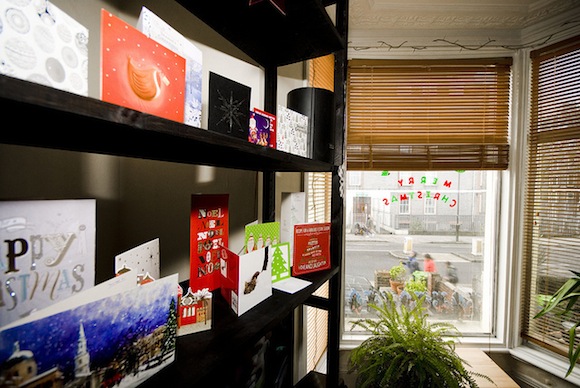
christmas-cards

Got a stack of greeting cards from last year or even 10 years ago? If they’re simply signed by whoever sent them, toss them, Bestry said. Just keep the ones that contain long, heartfelt messages, she said.

4. Holiday Multiples.

Do you have three tree toppers, five holiday platters and six garlands? Since you use holiday items only once a year, having multiples doesn’t make sense. “Pick the one you love best and use it every year,” Zaslow said.

5. Old Seasonal Clothing.

Is your hall closet crammed with coats and boots your kids outgrew two seasons ago and gloves that long ago lost their mates? Pull that stuff out quickly, without taking everything else out of the closet, Zaslow said. Then donate or toss it.

After the Holidays, Get Ready for Next Year

If you don’t have time to declutter before the holidays, you can do it afterward. In fact, Bestry suggests throwing a decoration takedown party. Make brunch, have your family join you in their jammies, and play some fun, upbeat music.

Pack up all your décor and get rid of stuff that’s broken, like strands of lights with burnt-out bulbs, Bestry said. In fact, you should jot down a list of items that need replaced, and do so now when holiday stuff is on sale, she said.

Also, toss, donate, or pass on to a friend or family member anything you don’t use or love, she said. If you need extra help, Walsh runs a 31-day organizing challenge in January and posts a one-minute video each day.

“When you’re breaking down the holidays, that’s a good time to let go of stuff,” Bestry said. “Think about how you can clear things out to embrace the new year.”

Source – www.sparefoot.com